Chuyện ở tiệm
Góc yên lặng giữa phố cổ: Câu chuyện Reaching Out Tea House Hội An
Khám phá câu chuyện Reaching Out Tea House ở Hội An và bài học thiết kế trải nghiệm quanh con người cho cửa hàng.
Bởi Lemtika · 20 tháng 8, 2026 · 5 phút đọc
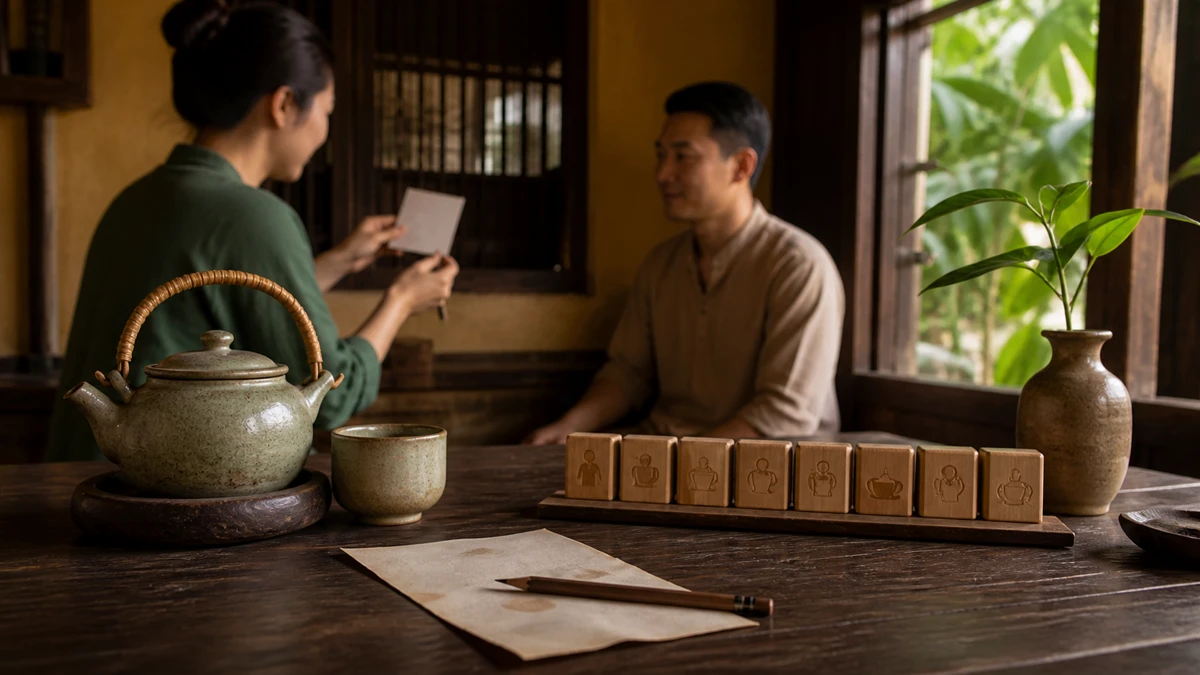
Giữa một trong những con phố đông đúc và náo nhiệt nhất Hội An, có một không gian mà điều đầu tiên bạn được mời làm là tạm thời lắng lại những âm thanh quen thuộc. Không có sự vội vã hối hả, trải nghiệm uống trà ở đây bắt đầu trong sự tĩnh lặng nhẹ nhàng.
Nếu đang tìm kiếm không gian ấy, bạn sẽ thấy Reaching Out Tea House tọa lạc tại số 131 Trần Phú, Hội An, Quảng Nam. Điều làm nên sự đặc biệt của quán trà này chính là đội ngũ phục vụ: tất cả đều là những người khiếm thính hoặc có khuyết tật liên quan đến nghe và nói. Khi ngồi xuống bàn, thay vì gọi lớn hay ra hiệu bằng tiếng nói, bạn sẽ sử dụng giấy, bút chì và những thanh gỗ nhỏ có ghi sẵn yêu cầu để trao đổi cùng nhân viên.
Từ một ý tưởng hòa nhập đến góc trà tĩnh lặng
Để hiểu vì sao quán trà lại chọn cách vận hành như vậy, cần quay ngược thời gian về tổ chức đứng sau không gian này. Theo Reaching Out (tên tiếng Việt là Hòa Nhập), doanh nghiệp xã hội này được thành lập vào năm 2000 bởi một nhóm người khuyết tật do Lê Nguyên Bình dẫn dắt, với mục tiêu ban đầu là tạo cơ hội học nghề và việc làm có ý nghĩa cho người khuyết tật tại địa phương.
Theo thông tin từ Reaching Out, họ xác định mô hình hoạt động của mình là một doanh nghiệp xã hội (social business) chứ không phải một quỹ từ thiện (charity). Từ nền tảng ban đầu là sản xuất hàng thủ công mỹ nghệ, Reaching Out sau đó đã quyết định mở thêm Tea House trong không gian một ngôi nhà cổ. Mục tiêu của quán trà là tạo thêm cơ hội việc làm trực tiếp và phù hợp cho những người có khuyết tật về nghe và nói.
Ngôn ngữ của những thanh gỗ và ánh mắt
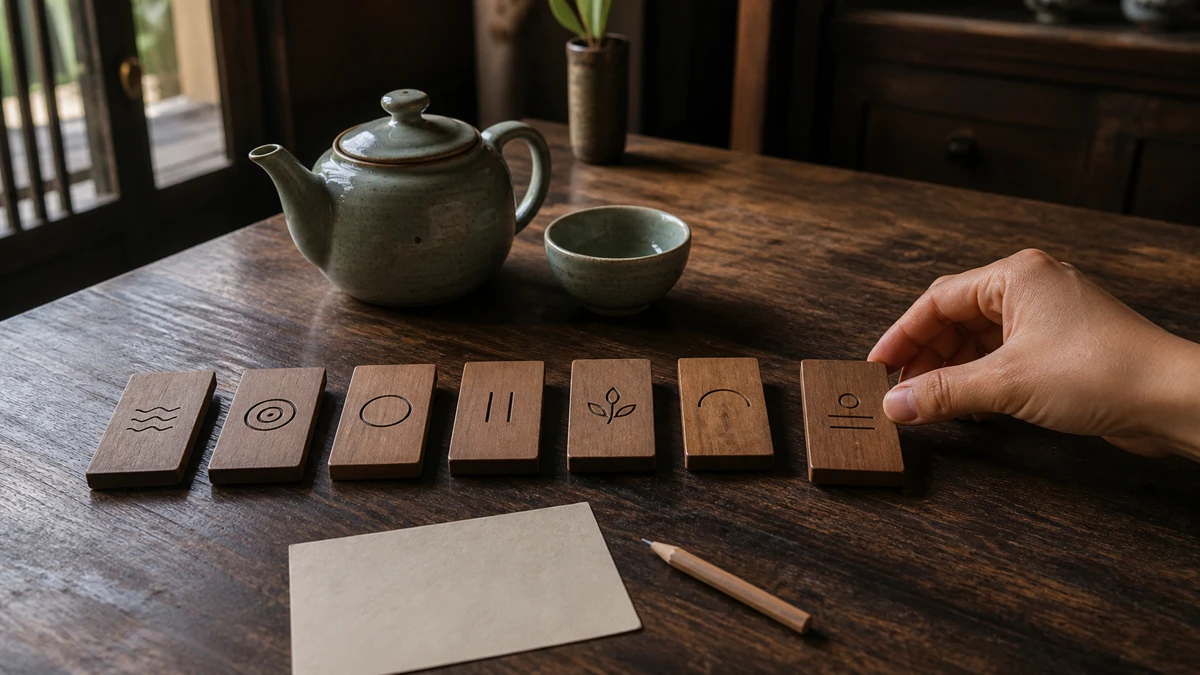
Sự đặc biệt trong trải nghiệm tại Reaching Out Tea House không nằm ở sự cầu kỳ, mà nằm ở chính cách giao tiếp được thiết kế tối giản nhưng vô cùng tinh tế. Theo ghi nhận độc lập từ VnExpress và Báo Đà Nẵng, trên mỗi bàn trà, quán chuẩn bị sẵn một khay nhỏ đựng 7 thanh gỗ cùng giấy và bút chì.
Mỗi thanh gỗ đều mang một dòng chữ ngắn bằng tiếng Anh tương ứng với các nhu cầu phổ biến của khách:
Questions: Khi bạn muốn hỏi thêm thông tin
Bill: Khi bạn muốn gọi thanh toán
Hot water: Khi cần thêm nước nóng cho ấm trà
Cool water: Khi muốn xin thêm nước mát
Ice: Khi cần thêm đá
Whisper: Nhắc nhở giữ yên lặng hoặc nói khẽ
Thank you: Lời cảm ơn dành cho người phục vụ
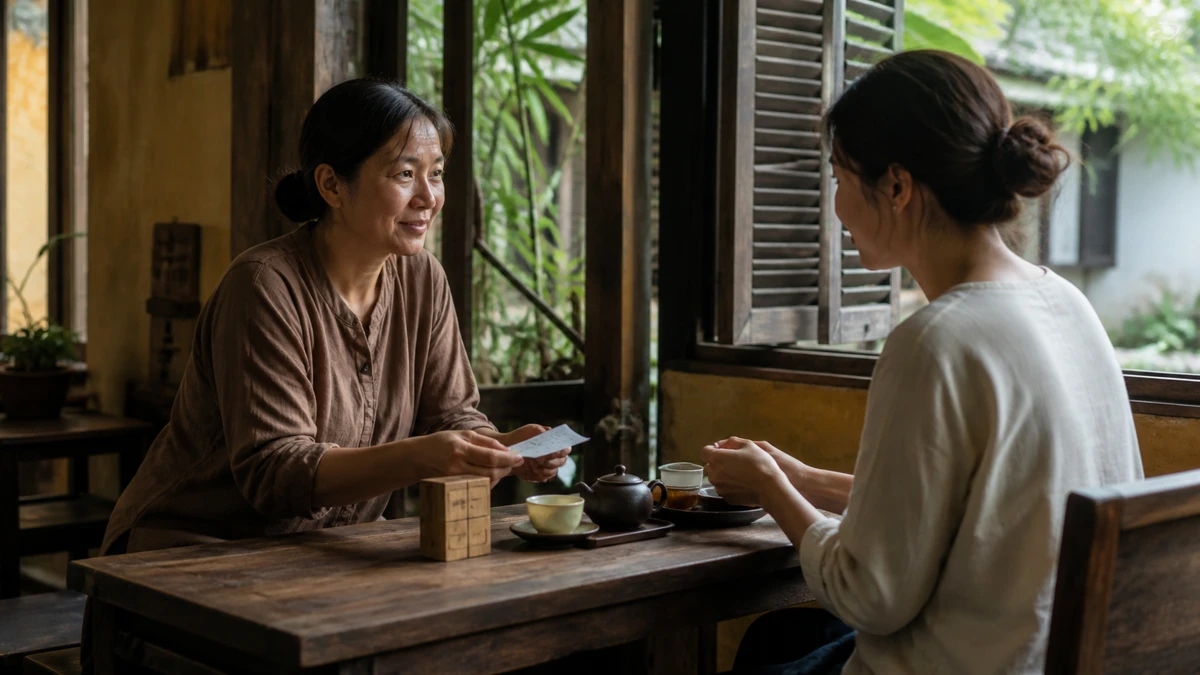
Khi muốn gọi dịch vụ, thực khách chỉ cần chọn thanh gỗ tương ứng với nhu cầu của mình để thể hiện yêu cầu với nhân viên. Khách ghé thăm quán luôn được khuyến khích giữ yên lặng hoặc nói khẽ để duy trì không gian chung. Ngoài những thanh gỗ hay dòng chữ viết vội trên giấy, mọi việc trao đổi ở đây còn diễn ra tự nhiên qua ánh mắt, nụ cười và những cử chỉ ân cần.
Bài học vận hành: Thiết kế trải nghiệm xoay quanh con người
Xét dưới góc nhìn biên tập và vận hành địa điểm, điều thú vị nhất ở Reaching Out Tea House là cách họ giải bài toán dịch vụ. Thay vì cố gắng ép buộc đội ngũ nhân sự của mình phải thích nghi với một mô hình phục vụ ồn ào và gấp gáp theo cách truyền thống, quán đã lựa chọn một hướng đi ngược lại: thiết kế toàn bộ quy trình trải nghiệm xoay quanh chính đặc điểm giao tiếp của nhân viên.
Dưới góc nhìn phân tích trải nghiệm khách hàng, chính cách làm này đã biến sự im lặng trở thành một lợi thế trải nghiệm độc đáo. Thực khách khi bước vào quán không chỉ đơn thuần là mua một tách trà, mà họ đang chủ động bước vào thế giới của người phục vụ, học cách chậm lại, quan sát kỹ hơn và lắng nghe bằng các giác quan khác.
Sự chân thành trong cách thiết kế không gian đã chuyển hóa một cách giao tiếp khác biệt thành một nét bản sắc rất riêng. Không cần những lời quảng cáo khoa trương, chính sự kết nối không lời ấy lại tạo ra ấn tượng sâu sắc và khó quên trong lòng người ghé thăm.
Lời kết cho những người làm nghề dịch vụ
Câu chuyện từ Reaching Out Tea House mang lại một gợi mở quan trọng cho những ai đang trực tiếp vận hành cửa hàng, quán cà phê hay các điểm đến địa phương. Bản sắc của một địa điểm đôi khi không đến từ ngân sách trang trí lớn hay những quy trình phục vụ chuẩn khuôn mẫu, mà đến từ việc chúng ta hiểu rõ đội ngũ của mình là ai và thiết kế trải nghiệm xoay quanh con người thật đó.
Đây cũng chính là góc nhìn mà Lemtika muốn chia sẻ cùng bạn: một địa điểm nhỏ hoàn toàn có thể tạo nên sự khác biệt khi biết thấu hiểu con người và biến điều chân thật trong đội ngũ thành trung tâm của mọi điểm chạm trải nghiệm.