Chuyện ở tiệm
Manuscript Writing Café: Quán chỉ nhận khách đang có deadline
Ở Kōenji, Tokyo, khách phải khai mục tiêu, chọn mức nhắc tiến độ và hoàn thành công việc trước khi kết thúc phiên tại Manuscript Writing Café.
Bởi Lemtika · 27 tháng 8, 2026 · 6 phút đọc
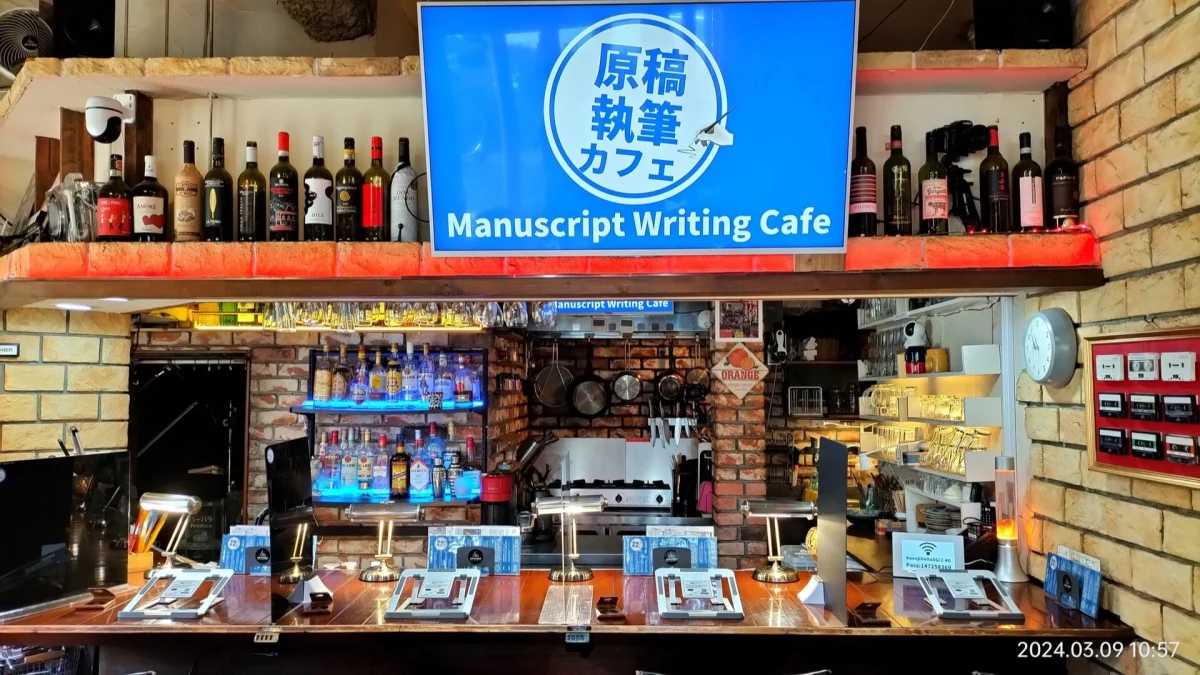
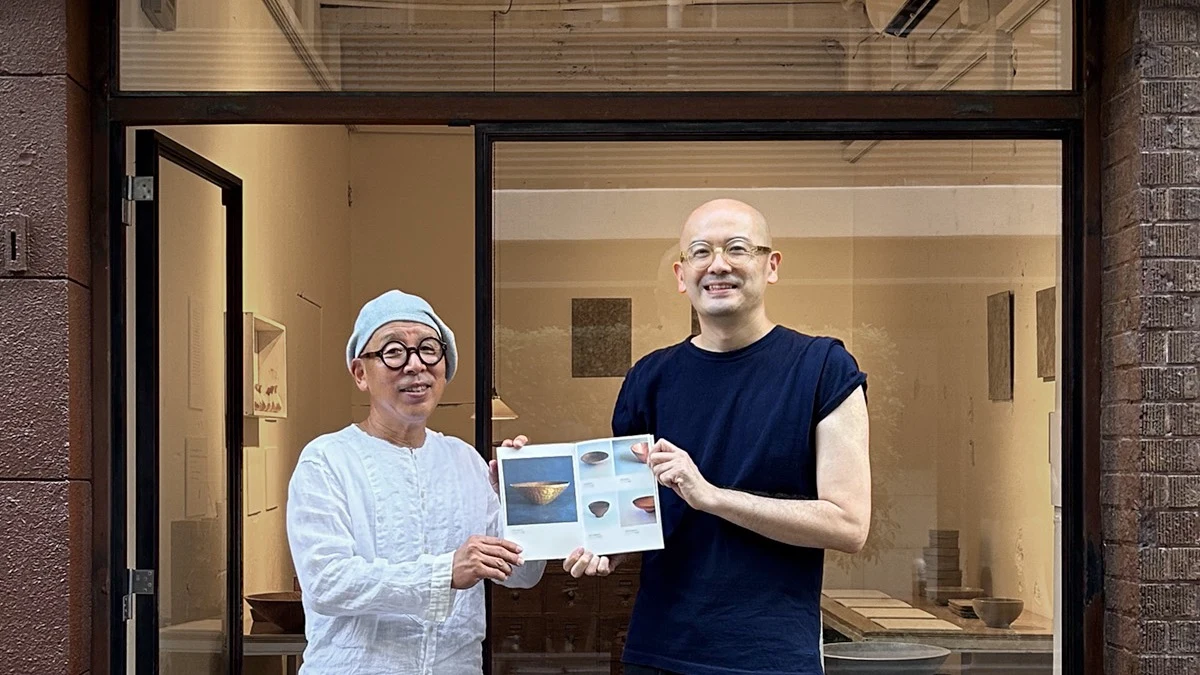
Ở Kōenji, Tokyo, có một không gian chỉ mở ra khi bạn mang theo deadline. Đó là Manuscript Writing Café (tên tiếng Nhật: 原稿執筆カフェ), một studio coworking theo tác vụ nằm tại Koenji Sankaku Chitai, địa chỉ 2-1-24 Koenji-kita, Suginami, Tokyo, cách ga JR Kōenji khoảng 5 phút đi bộ.
Mở cửa từ tháng 04/2022, nơi đây không tiếp khách ghé vào để tán chuyện hay uống cà phê giải khát thông thường. Quán chỉ dành riêng cho những người tới để hoàn thành “manuscript” (bản thảo) theo nghĩa rộng: từ viết sách, bài báo, luận văn, kịch bản, dịch thuật, vẽ manga đến copywriting, chỉnh sửa hay xử lý hình ảnh và video.
Nếu bạn đang vận hành một cửa hàng hay không gian dịch vụ địa phương, mô hình này mang lại một bài học rất đáng suy ngẫm: đôi khi, sự khác biệt không đến từ việc làm ra sản phẩm ngon hơn hay rẻ hơn, mà từ cách thiết kế toàn bộ trải nghiệm xung quanh một khoảnh khắc cụ thể của khách hàng khi họ cần hoàn thành việc quan trọng nhưng lại đang trì hoãn.
Quy tắc của một “trạm chạy deadline”
Khác với các không gian làm việc tự do, trải nghiệm tại Manuscript Writing Café bắt đầu bằng một lời cam kết. Khi bước vào quán, khách hàng được yêu cầu ghi lại mục tiêu công việc cụ thể và đo đếm được trong ngày. Theo quy tắc của quán, mục tiêu này phải hoàn thành trước khi khách có thể thanh toán và kết thúc phiên làm việc.
Để hỗ trợ khách hàng duy trì nhịp độ, quán cho phép lựa chọn 3 mức độ nhắc nhở tiến độ:
Mild (Nhẹ nhàng): Quản lý chỉ hỏi thăm tiến độ khi khách thực hiện thanh toán.
Normal (Bình thường): Quản lý sẽ nhắc nhở tiến độ sau khoảng mỗi giờ.
Hard (Nghiêm khắc): Ngoài việc nhắc nhở, quản lý sẽ thường xuyên đứng phía sau khách hàng trong im lặng.
Chủ quán, ông Takuya Kawai, gọi cách làm ở mức Hard là “silent pressure” (áp lực im lặng). Ông chia sẻ rằng mình chỉ đứng kiểm tra tiến độ đơn thuần chứ không đọc nội dung chi tiết trên màn hình, nhằm bảo mật các tài liệu nhạy cảm của khách.
Cần lưu ý rằng đây là quy tắc dịch vụ hoàn toàn tự nguyện mà khách hàng chủ động chấp nhận ngay từ đầu. Khách vẫn có thể ra ngoài giữa phiên nếu cần, do đó quán hoàn toàn không có chuyện giữ chân hay cưỡng ép. Quán cũng không hứa hẹn chữa dứt điểm bệnh trì hoãn hay bảo đảm năng suất cho bất kỳ ai. Trải nghiệm làm việc phụ thuộc vào từng cá nhân: phóng viên Justin McCurry từng hoàn thành bản nháp thô sau 2 giờ làm việc tại đây, trong khi họa sĩ manga Shizuku Kino vẫn bế tắc ý tưởng sau hơn 2 giờ ngồi tại quán, theo ghi nhận của The Guardian.
Hành trình thử nghiệm và cảm hứng thiết kế
Manuscript Writing Café không phải là một ý tưởng ngẫu nhiên xuất hiện sau một đêm. Takuya Kawai vốn từng làm trong ngành quảng cáo và là một technical writer. Theo thông tin trên The New Yorker, từ năm 2019, ông đã liên tục thử nghiệm các mô hình không gian khác nhau: đầu tiên là quán café cà phê và thuốc lá, tiếp theo là café chuyên cho dựng video, rồi đến café hỗ trợ phân loại hóa đơn. Manuscript Writing Café chính là lần thử nghiệm thứ 4 của ông.
Cảm hứng tạo nên không gian này một phần đến từ The Restaurant of Many Orders, truyện ngắn năm 1924 của nhà văn Kenji Miyazawa, nơi khách hàng phải tuân theo một chuỗi yêu cầu kỳ lạ khi bước vào. Bên cạnh đó, Kawai cũng lấy cảm hứng từ Hilltop Hotel, địa điểm gắn liền với giới văn chương Tokyo, nơi các biên tập viên thường thúc những nhà văn đang chạy deadline hoàn thành bản thảo, theo tài liệu từ Đại học Meiji.
Hiện tại, trang thông tin chính thức của Manuscript Writing Café (cập nhật ngày 18/08/2026 với lịch mở cửa đến tháng 09/2026) cho biết quán hoạt động theo lịch không cố định. Không gian hiện được bố trí gọn gàng với 4 ghế quầy hướng về phía bếp và 4 ghế quầy hướng ra cửa sổ. Tất cả các chỗ ngồi đều có vách ngăn riêng tư, trang bị đầy đủ ổ điện, Wi-Fi và khu vực đồ uống nóng tự phục vụ. Quán hoàn toàn không phát nhạc nền.
Bài học cho người làm dịch vụ: Khi sản phẩm là sự cam kết có người theo dõi
Ở góc độ phân tích dịch vụ, điểm cốt lõi làm nên sức hút của Manuscript Writing Café không nằm ở hạt cà phê hay trang thiết bị đắt tiền. Sản phẩm chính của quán thực chất là accountability tự nguyện, có thể hiểu là sự cam kết có người theo dõi. Quán giúp biến một deadline riêng tư, dễ bị trì hoãn thành một cam kết có người chứng kiến.
Đối với những người đang vận hành quán ăn, tiệm cà phê hay các điểm dịch vụ địa phương, mô hình này gợi mở một góc nhìn quan trọng về thiết kế trải nghiệm:
Góc nhìn từ một vấn đề cụ thể: Thay vì cố gắng phục vụ tất cả mọi người, quán tập trung xử lý đúng một trạng thái tâm lý duy nhất: sự trì hoãn trước deadline.
Thiết kế lại quy trình phục vụ: Mọi chi tiết từ tờ giấy ghi mục tiêu lúc vào cửa, các lựa chọn mức độ nhắc nhở, đến không gian không nhạc nền và đồ uống tự phục vụ đều đồng bộ phục vụ cho mục tiêu duy nhất: giúp khách hàng hoàn thành công việc.
Tạo dựng ranh giới rõ ràng: Quy tắc “chưa xong việc thì chưa thanh toán” đóng vai trò như một khung tâm lý giúp khách hàng tự vượt qua sự xao nhãng của bản thân.
Quán không tạo ra phép màu cho sự sáng tạo, nó chỉ đơn giản là loại bớt những đường thoát khỏi công việc trong một khoảng thời gian nhất định. Khi hiểu rõ khoảnh khắc mà khách hàng cần bạn nhất, bạn có thể thiết kế nên một dịch vụ độc đáo mà không cần phải chạy đua về giá hay quy mô.