Mẹo nhỏ
Khách mới bước vào: hãy chỉ rõ việc đầu tiên
Khách mới thường lúng túng khi không biết nên làm gì trước. Một lời hướng dẫn đúng chỗ có thể giúp họ tự tin đi tiếp.
Bởi Lemtika · 15 tháng 8, 2026 · 4 phút đọc
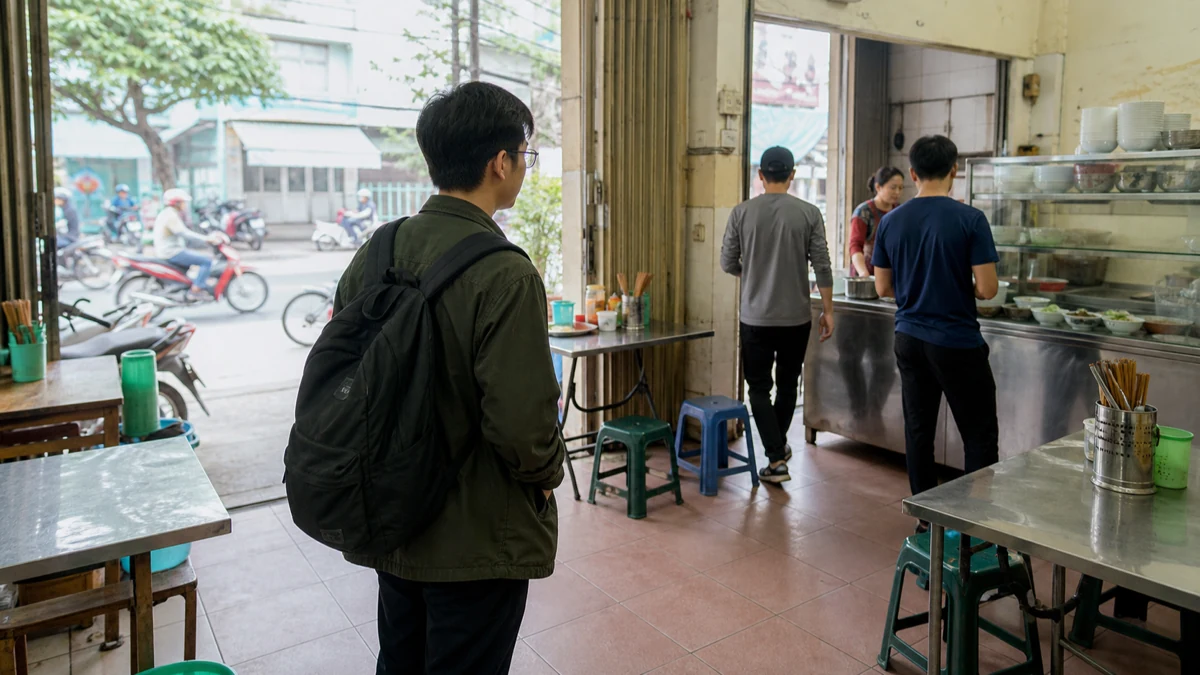
Một người bước qua cánh cửa, dừng lại một nhịp, nhìn quanh xem những người khác đang làm gì rồi mới bước tiếp. Họ không vội. Họ chỉ đang cố tìm hiểu xem ở đây mọi người bắt đầu từ đâu.
Người vận hành thường ít khi chú ý đến khoảnh khắc ngập ngừng đó. Chúng ta đã quá quen với không gian của mình. Ta biết quầy thanh toán nằm đằng sau góc tường, biết salon nhận khách đặt lịch ở dãy ghế bên trái, hay phòng khám yêu cầu đăng ký thông tin tại bàn lễ tân cạnh cửa. Với một người vừa ghé lần đầu, họ chưa từng biết những quy ước đó.
Khách mới không cần hiểu toàn bộ quy trình dịch vụ. Thứ họ cần chỉ là một lời hướng dẫn về việc đầu tiên.
Vì người trong cuộc đã quá quen
Khi làm việc ở một nơi đủ lâu, chúng ta hay nhìn mọi thứ theo thói quen thay vì bằng mắt. Nhân viên nhớ thuộc lòng quy trình vì làm việc đó mỗi ngày. Khách quen tự tin đi lại vì đã ghé nhiều lần. Trong khi đó, khách mới phải tự mình quan sát và suy đoán.
Nhiều người nghĩ việc để khách tự tìm hiểu rồi làm theo người xung quanh không phải chuyện lớn. Tuy nhiên, cảm giác lúng túng lúc mới vào dễ tạo ra sự ngần ngại. Khách có thể ngại vì sợ đi nhầm vào khu vực nội bộ, lo ngồi nhầm bàn đã đặt, hoặc không muốn phải lên tiếng hỏi những điều cơ bản. Một khởi đầu ngập ngừng khiến việc trải nghiệm dịch vụ bớt đi sự tự nhiên.
Nhận biết những điểm ngập ngừng
Để phát hiện những góc chưa thuận tiện, bạn có thể chú ý đến vài phản ứng nhỏ của khách lúc vừa qua cửa.
Nhìn quanh tìm thông tin: Khách đứng lại, chưa đi tiếp mà quan sát các góc tường hoặc nhìn người xung quanh để tìm hướng.
Đổi hướng di chuyển giữa chừng: Họ bước về một phía, khựng lại rồi quay hướng khác, hoặc bước chậm hẳn lại để nghe ngóng.
Hỏi nhân viên những câu cơ bản: "Anh hỏi đăng ký ở đâu?", "Bên mình tự chọn chỗ ngồi hay có người xếp bàn?", "Lấy số ở quầy này phải không em?".
Những câu hỏi xuất hiện thường xuyên cho thấy không gian đang thiếu thông tin cần thiết cho người mới.
Ba nguyên tắc viết và đặt lời hướng dẫn
Để lời chỉ dẫn phát huy tác dụng mà không làm rối mắt, bạn có thể áp dụng ba nguyên tắc sau:
Bắt đầu bằng một động từ: Dùng câu hành động để khách hiểu ngay việc cần thực hiện, ví dụ: “Lấy số”, “Chọn bàn”, “Thanh toán tại đây”.
Mỗi vị trí chỉ nói một việc: Đừng giải thích toàn bộ quy trình từ đầu đến cuối. Ở vị trí đó, khách chỉ cần hoàn thành đúng hành động tiếp theo.
Đặt bảng trước điểm cần ra quyết định: Đặt lời hướng dẫn ngay trước vị trí khách phải rẽ, chọn hướng, hoặc đắn đo nên đi tiếp hay dừng lại.
Gợi ý bảng hướng dẫn cho từng mô hình
Tùy theo cách vận hành thực tế, thông tin ở cửa chỉ cần chỉ ra đúng bước khởi đầu.
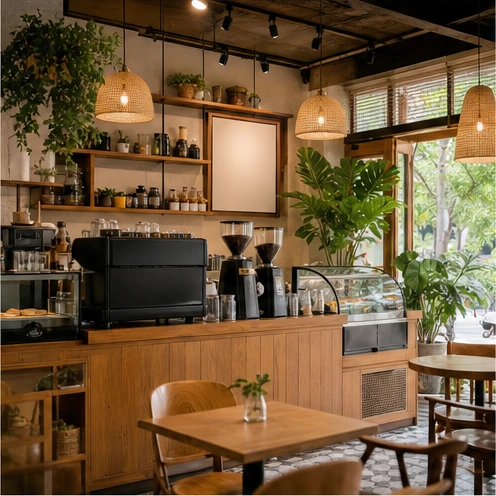
Quán ăn, cà phê, cửa hàng bán lẻ
Nếu gọi món tại quầy: “Mời bạn chọn món và thanh toán tại quầy”.
Nếu phục vụ tại bàn: “Mời bạn chọn bàn trống, nhân viên sẽ gửi thực đơn”.
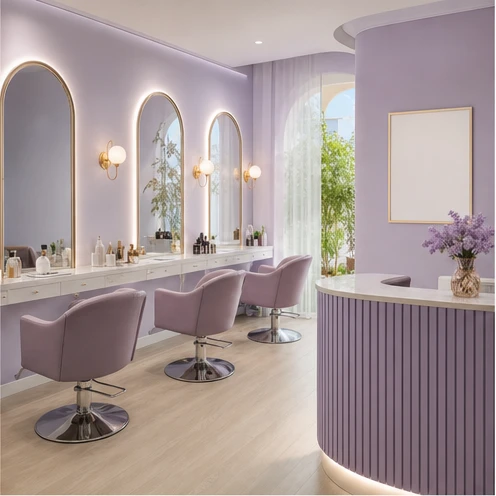
Salon, spa, phòng khám
Nơi có lịch hẹn trước: “Bạn đã đặt lịch? Mời báo tên tại bàn lễ tân”.
Nơi nhận khách theo lượt: “Mời bạn đăng ký tên tại quầy trước khi vào ghế chờ”.
Studio, văn phòng dịch vụ chuyên môn
Cơ sở có nhiều phòng chức năng: “Mời bạn nghỉ chân tại khu vực chờ, nhân viên tư vấn sẽ ra đón bạn”.
Bài kiểm tra 5 phút cho không gian của bạn
Ngày mai, bạn hãy thử đóng vai một người lạ.
Bước qua cửa cơ sở kinh doanh của mình với tâm thế của một khách mới. Dừng lại đúng vị trí mà một người vừa mở cửa sẽ đứng và tự hỏi:
Điểm đầu tiên thu hút ánh nhìn của mình là gì?
Mình có biết ngay phải di chuyển về hướng nào không?
Nếu không có nhân viên hỗ trợ, mình có biết làm gì tiếp theo không?
Nếu bản thân bạn phải dừng lại suy nghĩ để tìm hướng đi, hãy để thêm một bảng chỉ dẫn ở khu vực đó.
Lời chỉ dẫn tốt cho khách biết mình cần làm gì tiếp theo, để họ đi tiếp mà không phải dừng lại hỏi xem mình có đang làm đúng hay không.