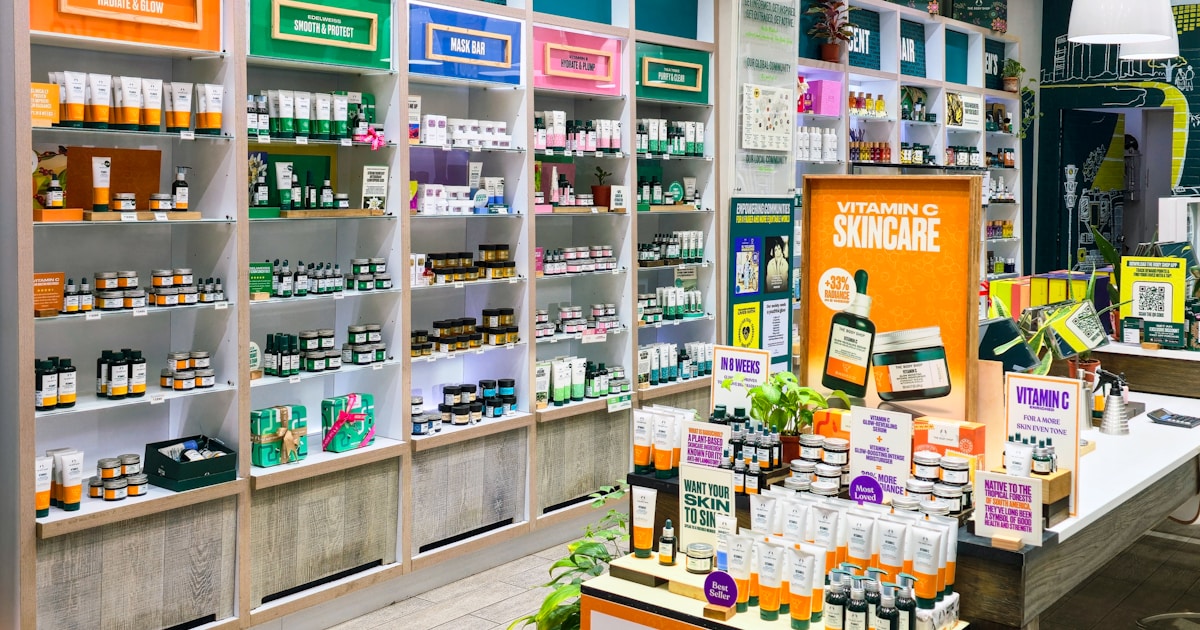
The restock lands on a Tuesday. Forty new SKUs, each with a photo, a name, a price, and a "New" badge that has to sit in the same corner it did last month. Every product needs a graphic for the product page, the Instagram grid, and the Thursday email. So someone opens Canva, duplicates last month's file, and starts retyping. By SKU number twelve the badge has drifted two pixels and nobody catches it until it's live.
This is the quiet tax on running an online store. Not the photography, not the copy, but the part where the same layout gets rebuilt with new data forty times, then again at the next drop.
The graphic is the same. Only the data changes.
Look at what a product promo actually contains: a photo, a title, a price, sometimes a "New" or "Back in stock" flag, and your logo in the corner. Across a whole catalog, four of those five change per row and one never does. The layout, the fonts, the colors, the badge position, and the safe margins are fixed the moment you approve the first design. Everything your team retypes is data that already lives in a spreadsheet or your store's product feed.
That gap is the whole problem. The design is a constant and the data is a variable, but hand-tools force you to treat both as variables every single time.
What actually varies
| Element | Changes per product? | Where it already lives |
|---|---|---|
| Product photo | Yes | Your media library / CDN |
| Name and price | Yes | Product feed / catalog CSV |
| "New" / "Restocked" badge | Sometimes | An inventory status column |
| Layout, fonts, colors, logo | No | Your brand, decided once |
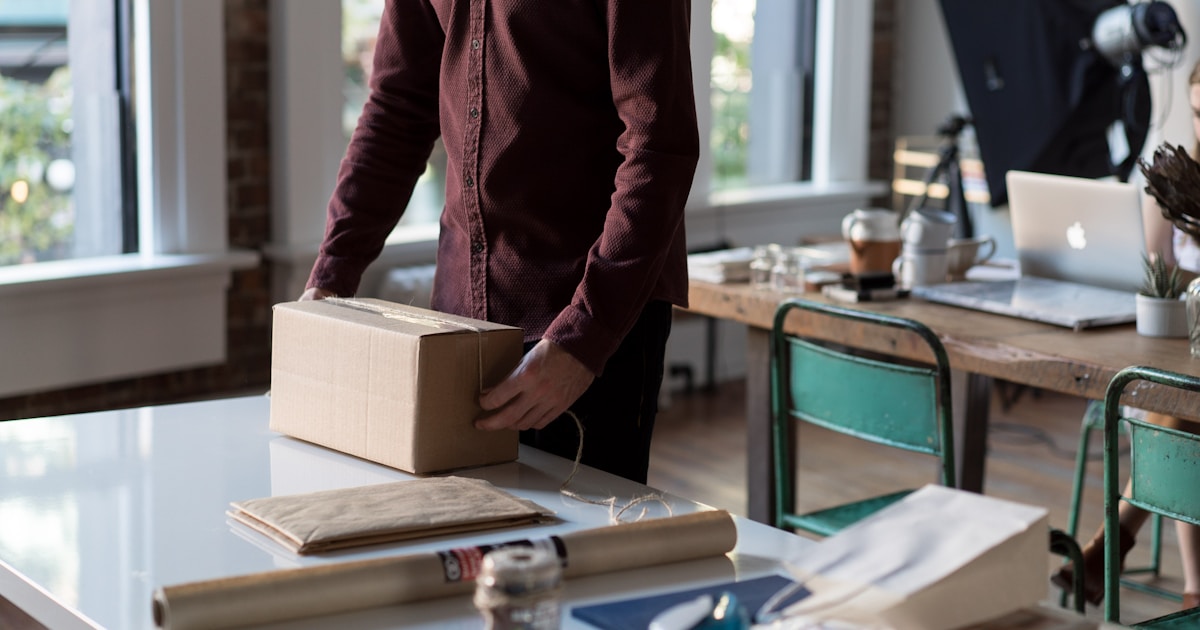
*Photo by Bench Accounting on *Unsplash
Why the usual fixes break at forty
Doing it by hand is where most stores start, and it works right up until volume shows up. Duplicate, retype, nudge, export, repeat. Forty times it drifts off-brand and eats an afternoon. An AI image generator feels like the shortcut, but it invents a new look for every prompt, ignores your exact hex codes, and bills you per image, which is the opposite of what a catalog needs. What a catalog needs is the same frame, filled with different rows, coming out identical every time.
That is what a curated template does. You design the product-promo layout once, lock it to your brand, and from then on the render is deterministic: same template, same fonts, same badge, whether it's product one or product nine hundred.
By hand, an AI generator, or a locked template
| Approach | At forty SKUs | Brand consistency | Cost |
|---|---|---|---|
| By hand in Canva | An afternoon, one at a time | Drifts | Your time |
| AI image generator | Fast but random | Off-brand, never repeatable | Per image |
| Lemtika template | One batch | Identical every render | Pay once |
💡 The test: if two people made the same product graphic from your template, would the files come out identical? With a locked template, yes. That's the property a store needs and the one hand-tools can't give you.
The workflow after the copy-paste is gone
Here is what the restock looks like once the template exists. Export your new products as a CSV, or point Lemtika at your existing product feed. Each row carries the photo URL, the name, the price, and a status column. Upload it, and every row comes back as a finished, on-brand image, ready for the site, the grid, and the email. Forty rows, forty graphics, no retyping and no drift.
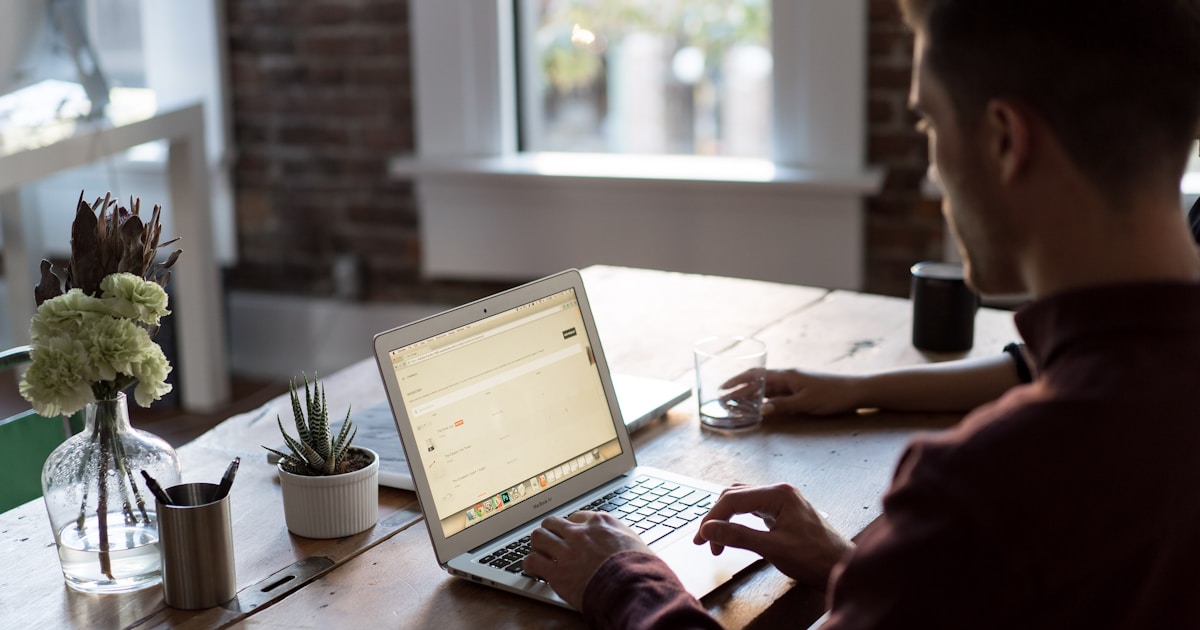
*Photo by Bench Accounting on *Unsplash
Start with one batch this week
You don't have to wire up anything to feel the difference. In the web app, pick a product-promo template, drop in this week's CSV, and download the batch. When you're ready to stop touching it entirely, the API renders a fresh graphic the moment a product goes live, and the MCP server lets an AI agent produce them on its own. The manual version was never design work. It was data entry wearing a designer's hat.
🔑 First step: take your next drop, put the ten products in a sheet, and run them through one Lemtika template. The afternoon you'd have spent in Canva is the proof.
Pick a product-promo template and turn your next restock into a batch instead of an afternoon.
*Cover photo by Zoshua Colah on *Unsplash